
From the founder
Why I built Ikigai Shift
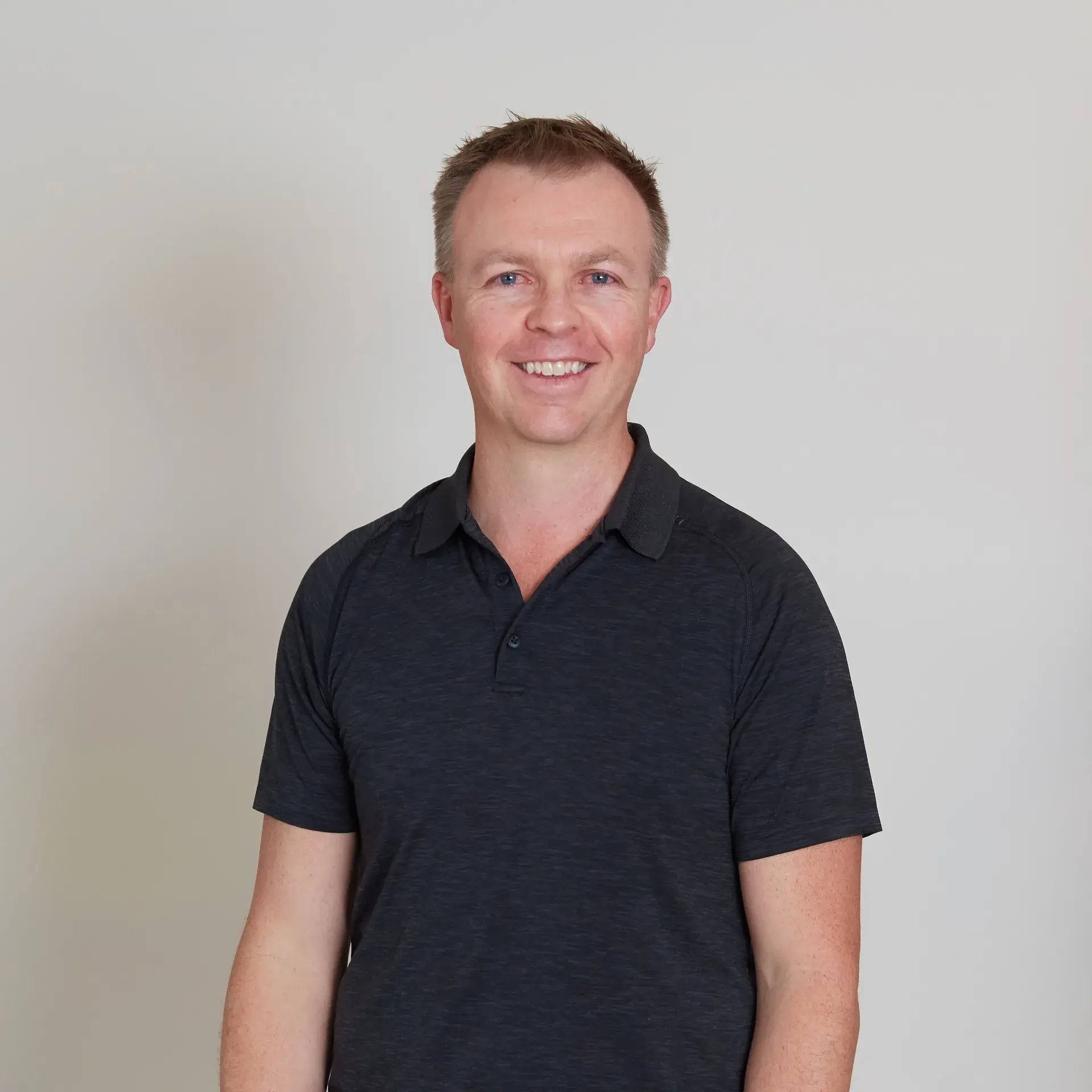
Andrew (Andy) Curry, Founder and myotherapist
It started with my own back
I had a significant lower back injury playing rugby league at 18. By 20 I’d found my way to Pilates, and it got me moving again. I didn’t realise it then, but that injury was already shaping the long road that led to Ikigai Shift. Like a lot of people, I learned what a body needs by living with a problem in my own.
Same program, different people
I’d been working in fitness for a while, and I kept seeing the same thing. Some people changed and some didn’t, even when we did exactly the same thing with them. That never sat right with me.
Working at the Australian Institute of Sport and in elite sport helped. I saw things in athletes you’d never see in everyday people, and things in everyday people that weren’t being applied in high performance. Moving between those worlds taught me to look for what sits underneath.
The day two clients walked the same way
About ten years ago we were watching a man walk on our treadmill. He’d had a stroke. He could walk, but you could see the restrictions in how his arms and legs worked together. We could see where hands-on treatment might free things up, where training could build strength, and where his brain needed to relearn the pattern.
The next client was a man with low back pain. No stroke, no neurological history. He walked almost exactly the same way.
That made us ask a different question. With neurological conditions, we usually look at movement after the event. What if some of those patterns were already there, and the stroke just brought them into the conversation? When we started looking for it in our assessments, we kept finding it. It changed how we look at everyone who walks through the door.
What hands can tell you
My background is hands-on: soft tissue therapy and myotherapy, with training through the Canberra Institute of Technology and the Barral Institute, and a big influence from the fascia work of Dr Robert Schleip.
Working with people living with complex trauma and PTSD showed me how much sensory, hands-on work can influence, especially around the neck. In our clinic we saw it shift things like brain fog, dizziness, balance and how well people tolerated noise and other input.
When the body switches off
With that same group, we’ve been working on an idea. Under enough stress, some people stay present and thinking, but start to lose input from their own bodies. Many ask for firm, heavy hands-on treatment, almost as if they’re trying to reconnect body and brain. [Working name: functional dissociation. Public wording to confirm]
What we’ve found in practice is that when we combine vision, inner ear and body awareness training, people start to get that connection back. Once body and brain are working together again, treatment and training don’t have to work as hard. That’s now a goal behind every hands-on session and every exercise program we run.
None of the tools are new. It’s physiotherapy, myotherapy and exercise. What’s different is how we apply them once you understand what’s happening underneath.
Turning the volume down
A big part of understanding what’s happening underneath came from Dr Yun-Tao Ma. He trained in traditional Chinese medicine in China, then moved to the United States and became a neuroscientist. [Confirm bio wording] He set out to explain acupuncture through the nervous system: what actually happens in the nerves, muscles and brain when you treat the body. His work on biomedical acupuncture changed how I look at every person I treat.
Two ideas from his work have stayed with me. The first is that every nervous system has its own level of sensitivity, and stress turns it up. The same knock, the same workload or the same treatment can land very differently in two people. The second is that when you help settle that stress response, everything else has a better chance of working: muscles switch on when they should, movement patterns can change, and the body doesn’t have to guard as much.
So before we decide what someone needs, we try to understand how their nervous system is responding. Is it a muscle or joint that has adapted? Are muscles not switching on when they should? Or is a stress response shaping the way they move? Usually it’s a mix. The answer shapes our hands-on work, and it comes with you into your training.
Stress is part of so many of the things people come to us with, from pain and headaches to dizziness, poor sleep and fatigue. It’s also a quiet thread running through the healthspan and longevity medicine everyone is talking about. Learning to notice it in yourself, and to settle it, is part of the work.
Why ikigai
I first wanted to call the business The Shift. But that put all the change on us. Years ago, before the books came out, I came across the word ikigai and went looking for someone who could tell me what it really meant. That’s how I found Junko Azukawa, a Japanese-born calligrapher living in Australia. To Junko, iki means life and gai means value. A life value shift.
I explained what I was after using my wood fire. Open both vents and it burns bright and fast, and the wood is gone. Close one vent, then the other, and you get a slow, steady burn that lasts all night. A lot of people are burning hot and fast. I want to help them find that slow, efficient burn that lasts.
From those conversations, Junko created our character, drawn from one of its original written forms from around 3,500 years ago.
What I bring
I’m not a physio and I’m not an exercise physiologist. I’ve built a team with the qualifications I don’t have. What I bring is the lens that connects it all.
It never ends. It only begins.
— Andy Curry, Founder
Our team
The qualifications, all under one roof.
Physiotherapists, exercise physiologists, a myotherapist, Pilates instructors and coaches, working from one plan. Registered practitioners show their registration number.
-
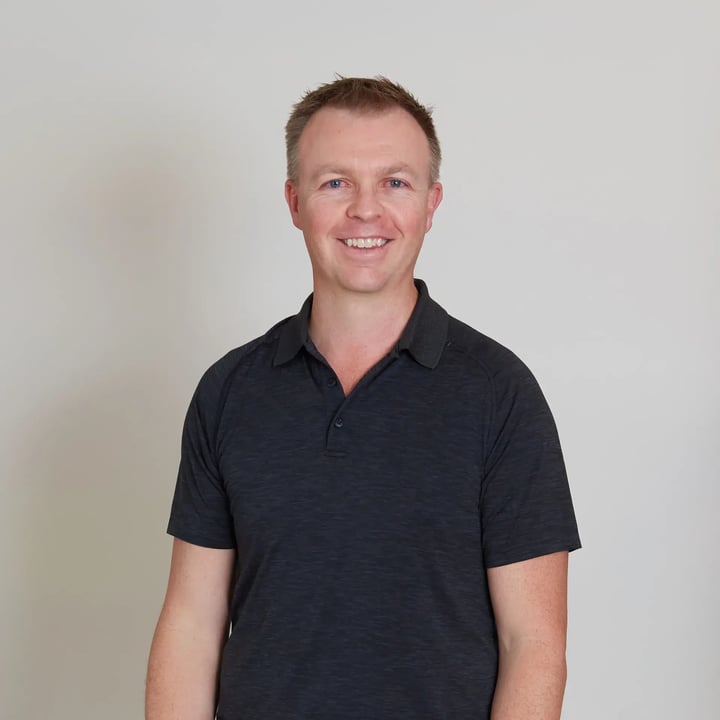
Andrew Curry
Founder · Myotherapist
Andy is the founder of Ikigai Shift and a Myotherapist with more than 25 years in allied health, rehabilitation and high performance, including four years at the Australian Institute of Sport. His work centres on how the brain, the balance (vestibular) system and the sensorimotor system work together to move the whole body, and that thinking sits behind everything we do here.
Myotherapist · Adv. Dip. Applied Science · Dip. Pilates & Movement Therapy
-
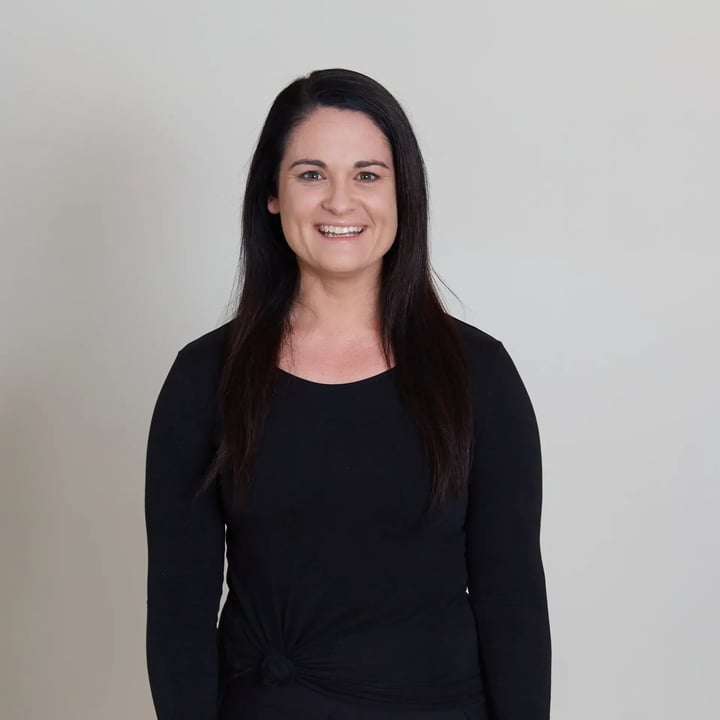
Jane Goodfellow
Pilates and Movement Therapist
Jane is a Pilates and Movement Therapist who has been part of Ikigai Shift since 2016. She teaches many of our group equipment Pilates classes and works one-on-one with children with additional needs and with people living with neurological conditions, bringing real warmth and joy to every session.
Dip. Pilates & Movement Therapy · Applied Movement Neurology (Level 2) ·
-
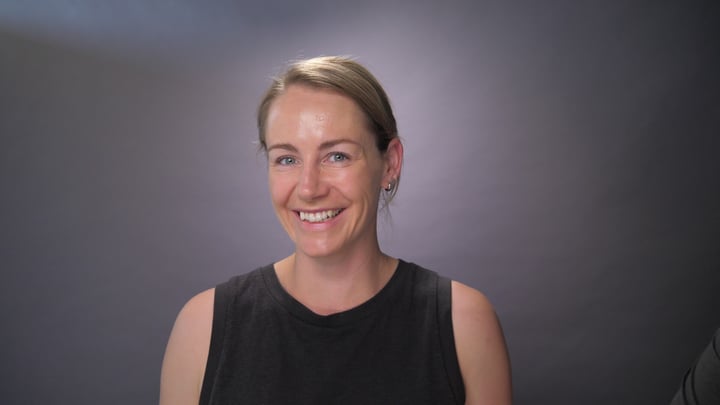
Gabrielle (Gab) Witenden
Coach & Personal Trainer
Gab is a coach and personal trainer who has been part of the Ikigai Shift community for more than 10 years, and now runs our PHIIT classes in the mornings and evenings around her day job as a sparky. She brings variety and thought to every session, and adapts each one so it works for everyone in the room, whatever their age or fitness level.
Cert III & IV Personal Training
-
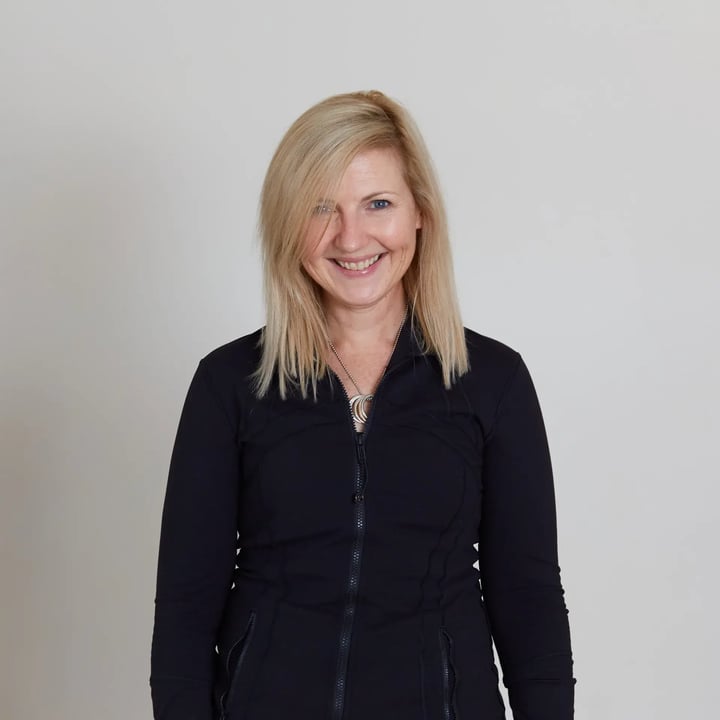
Jo Gibson
Pilates & Movement Therapist
Jo is a Pilates and Movement Therapist and a registered nurse and midwife with more than 20 years' experience. Teaching at Ikigai Shift since 2019, she runs our group classes and one-on-one pregnancy, postnatal and women's health movement sessions.
Registered Nurse · Registered Midwife · Dip. Pilates & Movement Therapy
-
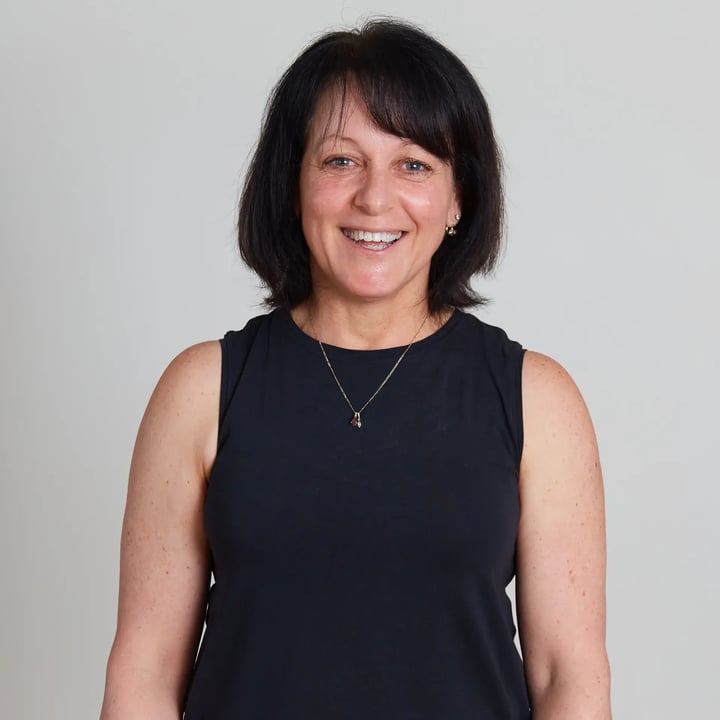
Maria Montgomery
Pilates & Movement Therapist
Maria is a Pilates and Movement Therapist and personal trainer who has been part of Ikigai Shift since 2019. Known around the studio as the “silent assassin”, she has a calm, encouraging style, and her sessions look easy right up until you realise how much work you've done.
Dip. Pilates & Movement Therapy · Cert III & Cert IV Personal Training
-
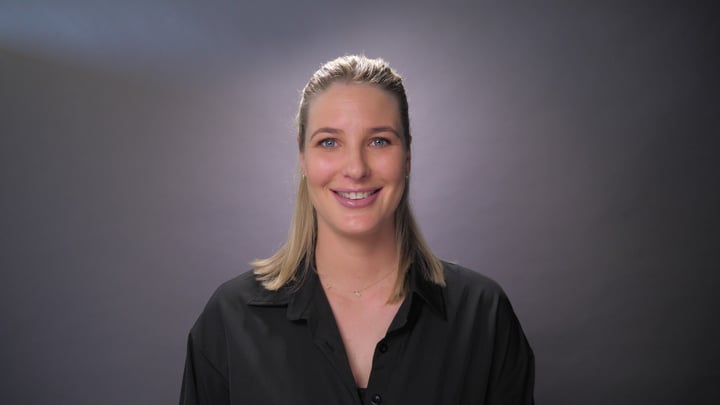
Lydia Saville
Front Desk & Administration
Lydia looks after our front desk and administration, so hers is the friendly face you’ll meet when you first walk in. She has trained with us for around eight years, and brings real enthusiasm and care to keeping everything, and everyone, running smoothly.