
DEVELOP · NEURODIVERSITY & KIDS
Helping kids feel at home in their bodies.
Movement, balance, sensory and thinking skills support for neurodivergent kids, including autism, ADHD, coordination difficulties, sensory processing differences and hypermobility. Built around your child's strengths, pace and goals.
You might notice your child...
With or without diagnosis. Every child is different
Bump into things, trips or falls more than other kids
Is always on the move, spinning or crashing
Avoids swings and the playground, or gets car sick
Finds ball skills, riding a bike or handwriting hard
Is overwhelmed by noise, light or busy places
Has big feelings and finds it hard to settle
Struggles to sit still or keep focus
Tires quickly, walks on their toes or seems floppy
who we see
Every kind of neurodivergent kid
Many kids fit more than one of these. That's normal, an it's exactly why we look at the whole picture.
Autism
Support for movement, balance, sensory responses and regulation, on your child's terms.
ADHD
Movement-based work for attention, coordination and settling the body.
Coordination difficulties
Clumsy, can't ride a bike yet, handwriting a struggle? Including developmental coordination disorder (DCD), sometimes called dyspraxia.
Sensory processing difficulties
Seeks out movement, or avoids noise, touch or busy places. No diagnosis needed.
Hypermobility
Bendy, clumsy and always tired? Flexible joints can make body awareness and stamina harder work.
Developmental delay
Late to sit, crawl or walk, including children with Down syndrome or cerebral palsy.
Toe walking
A common worry, and one we assess and support.
Not sure?
You don't need a label. Start with an assessment and we'll work it out together.
Why movement and the senses matter
Balance and body awareness are the foundations of so much.
Your child's balance system, vision and body awareness sit underneath coordination, attention, regulation and learning. Research shows differences in movement, balance and sensory processing are common in autistic kids and kids with ADHD, and they're often missed.
We measure these systems, along with how your child thinks and reacts while moving, then build play-based programs grounded in current research. The aim is more comfort, confidence and independence in the things that matter to your family.
What the research tells us
The evidence
Coordination difficulties (DCD) affect about 1 in 20 school-aged children, and they're often not recognised.
Motor and balance differences are common in autistic kids and kids with ADHD. More than half of children with ADHD have motor difficulties.
Being over- or under-responsive to sensory input is part of autism, and sensory differences are common in ADHD. "Sensory processing disorder" isn't a formal diagnosis, but sensory differences are real and common.
Joint hypermobility is more common in neurodivergent people, and is linked with poorer body awareness and fatigue.
International guidelines support activity-based, physiotherapy-led motor programs for coordination difficulties and for children with cerebral palsy.
Physical activity can support attention and executive function in children with ADHD.
Movement and sensory differences don't stop in childhood. They continue into adult life.
What we see in our clinic
Our practice
Our Ikigai Shift Assessments often show recurring patterns in how neurodivergent kids use their balance, vision and body awareness, especially when they have to think and move at the same time.
We target the specific sensory-motor systems those patterns point to, rather than handing out a general program.
We re-measure regularly, so progress is tracked, not assumed.
We share what we find with your child's wider team, so it adds to the bigger picture.
Every Ikigai Shift Screen and Assessment is recorded the same way, building a growing, de-identified picture of the patterns we see, so our programs keep improving.
Clinicians and educators: full references are in our evidence summary, available below.
Autism and ADHD aren't things to cure. Our approach builds on published research and is refined by what we see in practice, to support how your child's body, senses and brain work together, so everyday life feels a little easier.
Neurodiversity Affirming
We're not here to change who your child is.
We're here to help them feel more comfortable, capable and confident in their body, their way.
Strengths first
We build on what your child loves and does well.
At their pace
Child-led, with choices, breaks and no pressure.
Predictable and sensory-friendly
Same room, same clinician, and a clear plan for each session. [Visual schedules: confirm]
Your family's goals
Riding a bike, joining in at sport, getting through the school day: you tell us what matters.
How we assess
It looks like play. It gives us real data.
An age-appropriate version of the Ikigai Shift Assessment. [Name for the kids' assessment: confirm]
Balance & inner ear
How your child's vestibular system handles movement and spinning.
Vision & eye movements
Tracking, focusing and using the eyes with movement.
Body awareness & coordination
Motor skills, strength and knowing where the body is.
Thinking while moving
Attention, reaction time and decision-making during movement games.
Sensory responses
What your child seeks out, what they avoid, and what helps them settle.
How we help
Programs kids actually want to come back to
Sensory & vestibular play
Balance, spinning and movement games, graded to what your child's system can handle.
Brain & body games
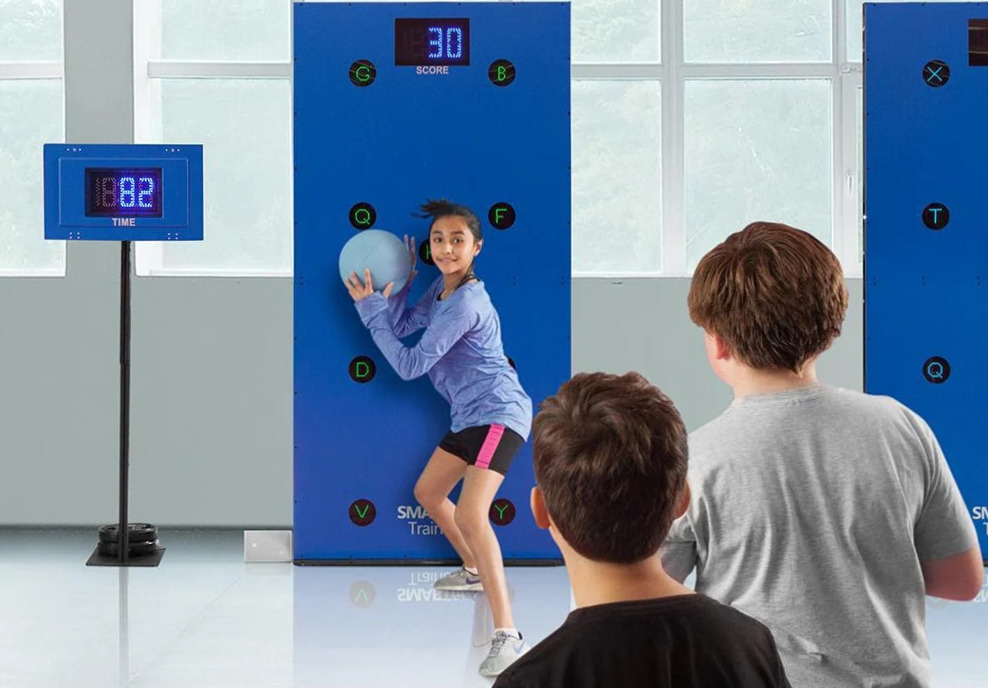
Interactive light and target games (SMARTfit, Reaxing) that build attention, reaction and coordination together.
Motor skills & strength
Ball skills, jumping, riding and everyday skills, with our physios and exercise physiologists.
Regulation strategies
Movement and sensory tools your child can use to settle at home and school.
Home & school programs
Simple activities for families, and ideas teachers can use in class.
Re-measured as they grow
Regular check-ins so you can see progress, and reports for your NDIS plan.
Part of your child's team
We work alongside the people who already support your child.
With your consent, we share goals and progress with your child's paediatrician, OT, speech pathologist, psychologist and school, so everyone's pulling in the same direction.
Funding & fees
NDIS including the early childhood approach. See NDIS
Medicare: [rebates for eligible children through a GP or paediatrician referral: confirm which items apply]
Private Health insurance: health fund rebates are available.
Teens & Adults
Diagnosed as a teen or an adult?
Neurodivergence doesn't stop at 18, and many people only get a diagnosis later in life. The same sensory, balance and regulation work can help you feel more at home in your body, whether that's managing overwhelm, sleep, focus or finding exercise that actually suits you.
Free guide
Movement, balance and the senses: a parent's guide
A simple checklist of what to look for, why it matters, and playful things to try at home. Six pages, written for families.
Clinician or educator? Choose that option and we'll send our evidence summary with full references.